

By Bhimi Daimari –

Dr. Bhimi Daimari
Most women can describe, in detail, what to expect when their periods begin. Far fewer are told what to expect when those periods end. Menopause — the natural close of a woman’s reproductive years — arrives for every woman who lives long enough, yet it remains one of the least-discussed passages in a woman’s life. The silence does real harm: women endure symptoms in confusion, mistake them for illness, or suffer quietly because no one told them this was normal.
Menopause is officially reached when a woman has gone twelve months without a period, usually somewhere around the late forties or early fifties. But the transition leading up to it — perimenopause — can begin years earlier, and it is often during this stretch that the most bewildering changes occur.
What is actually happening
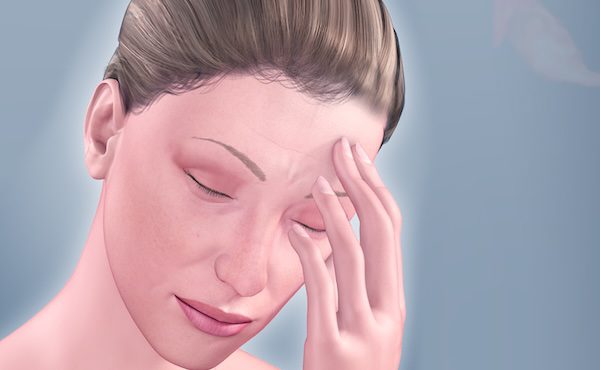
As the ovaries gradually produce less oestrogen, the body adjusts — and that adjustment is what a woman feels. Periods become irregular before they stop. Hot flushes and night sweats are common, as are disturbed sleep, mood changes, irritability, difficulty concentrating, vaginal dryness and a reduced sex drive. None of this means something has gone wrong. It is the body passing through a natural hormonal shift, and for most women the symptoms ease with time.
What deserves a doctor’s attention
While menopause itself is not an illness, some things around it should not be ignored. Any bleeding after menopause — that is, after a full year with no periods — is never normal and should always be checked by a doctor. Very heavy or prolonged bleeding during perimenopause also deserves attention. And symptoms that are severe enough to disrupt a woman’s work, sleep or relationships are worth discussing: there are safe, effective ways to manage them, and no woman should simply ‘put up with’ a poor quality of life.
The health that matters most later
The fall in oestrogen does more than cause symptoms — it quietly changes a woman’s long-term health. Bones lose density faster after menopause, raising the risk of osteoporosis and fractures; the risk of heart disease also rises. This is the stage of life to take bone and heart health seriously: adequate calcium and vitamin D, weight-bearing exercise, not smoking, and regular check-ups. These are not glamorous measures, but they protect the decades that follow.
A transition, not a decline
Perhaps the most important thing to say is this: menopause is not the end of a woman’s health, her vitality or her worth. It is a transition, and like every transition it is easier to navigate with knowledge than in the dark. A woman who understands what is happening to her body can tell the difference between what is normal and what needs care — and can ask for help without shame.
If we spoke about menopause as openly as we speak about the start of menstruation, a great deal of needless suffering and worry would simply disappear. Every woman deserves that much preparation for a change that is, after all, universal.
*Dr. Bhimi Daimari (MBBS, MS, Obstetrics & Gynaecology) is a practising obstetrician-gynaecologist in Hojai, Assam, India, and the medical reviewer at abortion-riyadh.com. This article was written with the help of AI and reviewed for accuracy by the author.