

By Hilmy Ahamed –

Hilmy Ahamed
Saudi Arabia’s use of the death penalty has drawn attention through the cases of two Sri Lankan migrant workers, Rizana Nafeek and Anojan Sivarasa. Their cases, more than a decade apart, involved very different allegations. Nafeek was convicted of killing an infant and executed in 2013. Sivarasa was sentenced to death over a Facebook comment, but Saudi Arabia’s Supreme Court set aside that sentence in October 2026. Their stories highlight the risks migrant workers can face when accused of serious offences abroad—and the importance of fair trials, legal representation and effective appeals.
The death penalty remains part of Saudi Arabia’s legal system, which combines written legislation with judicial interpretations of Islamic law, or Sharia. Islamic jurisprudence discusses capital punishment in connection with qisas (retaliation in certain homicide cases), some hudud offences, and ta’zir offences, for which a judge may have discretion over the punishment. The legal basis and procedure vary by offence. Amnesty International has reported that Saudi judges continue to impose death sentences for ta’zir offences, where no specific penalty is mandated in law.
Amnesty recorded at least 356 executions in Saudi Arabia in 2025, the highest annual total in its records. From 1 January to 22 June 2026, it recorded 96 more, including 61 for drug-related offences. These are the organisation’s figures and may not capture every execution. Rights groups have criticised the use of capital punishment for non-violent offences and raised concerns about fair-trial safeguards.
Rizana Nafeek: an execution that could not be reversed
Rizana Nafeek was a young Sri Lankan domestic worker in Saudi Arabia. She was convicted of killing an infant in her care. Nafeek said the child had choked while drinking from a bottle. Human Rights Watch reported that she was 17 when the infant died, although her passport gave a different birth year. Amnesty International reported that she had no lawyer during interrogation or trial, that interpretation between Tamil and Arabic may have been inadequate, and that she later said her confession had been forced. These are concerns raised by rights organisations; they do not overturn the Saudi court’s conviction.
Saudi Arabia’s Supreme Court upheld Nafeek’s death sentence. The infant’s family did not grant a pardon, and appeals for clemency did not prevent her execution on 9 January 2013. Her case raised a particularly grave issue: international law prohibits executing people for crimes committed when they were under 18. The dispute over her age did not stop the sentence from being carried out.
Anojan Sivarasa: a death sentence set aside
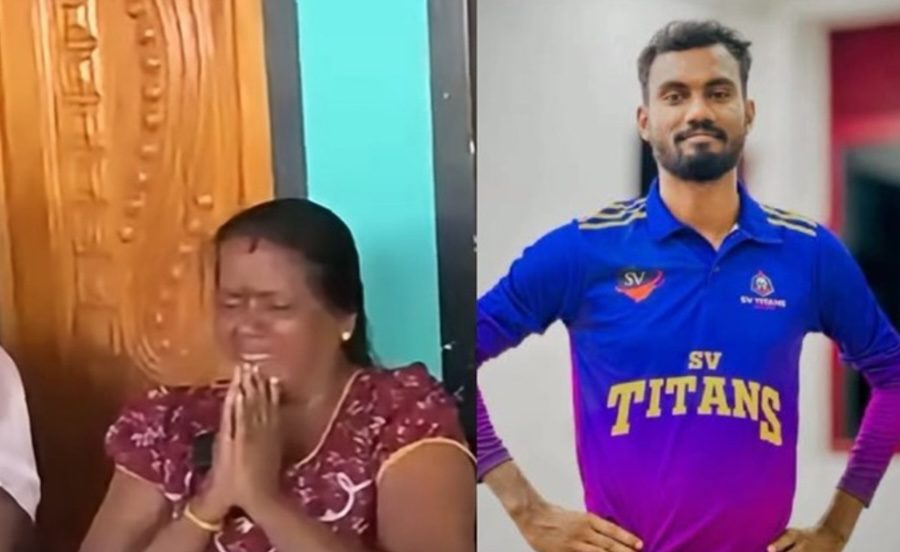
In 2026, Sri Lankan migrant worker Anojan Sivarasa faced a death sentence over a Facebook comment judged to insult the Prophet Muhammad. Human Rights Watch reported that Sivarasa deleted the comment and posted an apology video. A court initially sentenced him to five years in prison and a fine under Saudi Arabia’s Anti-Cyber Crime Law. After the prosecution appealed, the Eastern Region Court of Appeal increased the punishment to death in September.
Following an appeal and Sri Lankan diplomatic efforts including a team of eminent Sri Lankan includig Ambassador Ammer Ajward, Justice M T Laffa, Counsel General in Jeddah (Former Judge of the court of appeal) lawyers Faiszer Musthapha, Upul Kumaraperuma PC, Asad Navavi PC and additional Solicitor General,i and Silmy Riyasdeen , Saudi Arabia’s Supreme Court set aside the death sentence on 13 October. The case is due to return to a lower court for rehearing. The ruling removed the death sentence, but available reports do not establish that Sivarasa has been released or that the proceedings have ended.
The contrast between the cases is stark. Nafeek was convicted in a case involving the death of a child; Sivarasa’s reported offence was a non-violent social-media comment. Nafeek’s death sentence was upheld and carried out. Sivarasa’s sentence was set aside, though the final outcome of his case remains uncertain. The cases are not legally equivalent, but both raise questions about the treatment of migrant workers accused of serious crimes abroad. Language barriers, access to lawyers, understanding the charges and judgments, and meaningful appeal rights can all affect a person’s ability to defend themselves. In a capital case, failures in those safeguards can have irreversible consequences.
Foreign nationals accused of religious offenses in Sri Lanka
Foreign visitors have also faced arrest or prosecution in Sri Lanka over conduct perceived as disrespectful to Buddhism. Sri Lanka does not have one general offence simply called “blasphemy.” Instead, its Penal Code contains specific offenses concerning religious feelings, sacred objects and places of worship. These provisions carry possible prison terms, but not the death penalty.
In 2012, three French tourists were convicted after taking photographs at a Buddhist temple, including one in which a woman appeared to kiss a Buddha statue. They received six-month prison terms, suspended for five years, and small fines. Reports do not consistently identify the precise charge.
British tourist Naomi Coleman’s case had a different outcome. In 2014, she was arrested at the airport over a Buddha tattoo and deported. She was not convicted of a crime. In 2017, Sri Lanka’s Supreme Court ruled that her arrest and deportation violated her fundamental rights, finding that the tattoo did not constitute an offence. The Court ordered compensation and costs.
The distinction is important: the French tourists were convicted; Coleman was arrested and deported, then vindicated by the Supreme Court. These examples show how perceived religious disrespect can lead to serious consequences, while also demonstrating that an arrest does not prove an offence was committed.
Religion, law and justice
Sivarasa’s case raises questions about blasphemy and Islamic law. Insulting the Prophet Muhammad, Allah or the Qur’an is profoundly offensive to Muslims and is condemned in Islamic teaching. But Muslim legal traditions include debate about how religious sources should inform state punishment. The Qur’an condemns offending Allah and the Messenger, but does not expressly prescribe execution by a human court for every instance of blasphemy. Some classical jurists argued for severe penalties in particular circumstances; those interpretations are not the same as a universal, explicit Qur’anic death sentence.
Religious offence is also distinct from whether execution is a just state response. International human-rights standards protect freedom of religion and expression, and restrict the death penalty to the “most serious crimes.” The UN Human Rights Committee has interpreted that threshold as crimes of extreme gravity involving intentional killing. Under that standard, a non-violent online comment does not justify execution.
The cases in Saudi Arabia and Sri Lanka therefore show different legal systems and consequences. In the Sri Lankan examples, penalties included suspended imprisonment, fines, arrest or deportation; in Sivarasa’s case, an appeals court imposed a death sentence that was later set aside. Both settings raise questions about fair process and proportionality, but they should not be treated as interchangeable.
A person can believe that an insult to Islam or Buddhism is deeply wrong and still question whether a state’s response is fair and proportionate. Nafeek’s execution remains a reminder that appeals and clemency can fail. Coleman’s case shows that courts can also find authorities acted unlawfully. Sivarasa’s sentence being set aside is a significant relief, but his case is not fully resolved. Across all three cases, the central question is whether the law and process are reliable enough to deliver justice when religious offence is alleged—and, in capital cases, when the consequence may be irreversible.
The Death Penalty in Saudi Arabia: Law, Migrant Workers and Religious Offenses in Sri Lanka
Saudi Arabia’s use of the death penalty has drawn attention through the cases of two Sri Lankan migrant workers, Rizana Nafeek and Anojan Sivarasa. Their cases, more than a decade apart, involved very different allegations. Nafeek was convicted of killing an infant and executed in 2013. Sivarasa was sentenced to death over a Facebook comment, but Saudi Arabia’s Supreme Court set aside that sentence in October 2026. Their stories raise questions about how migrant workers are treated when accused of serious offenses abroad—and about fair trials, legal representation and appeals.
Saudi Arabia’s legal system combines written legislation with judicial interpretations of Islamic law, or Sharia. Islamic jurisprudence discusses capital punishment in connection with qisas (retaliation in certain homicide cases), some hudud offences and ta’zir offenses, for which a judge may have discretion over the punishment. Amnesty International has reported that Saudi judges continue to impose death sentences for ta’zir offences, where no specific penalty is mandated in law.
Amnesty recorded at least 356 executions in Saudi Arabia in 2025, the highest annual total in its records. From 1 January to 22 June 2026, it recorded 96 more, including 61 for drug-related offences. These are the organisation’s figures and may not capture every execution. Rights groups have criticised the use of capital punishment for non-violent offences and raised concerns about fair-trial safeguards.
Rizana Nafeek: an execution that could not be reversed
Rizana Nafeek was a young Sri Lankan domestic worker in Saudi Arabia, convicted of killing an infant in her care. Nafeek said the child had choked while drinking from a bottle. Human Rights Watch reported that she was 17 when the infant died, although her passport gave a different birth year. Amnesty International reported that she had no lawyer during interrogation or trial, that interpretation between Tamil and Arabic may have been inadequate, and that she later said her confession had been forced. These were concerns raised by rights organisations; they did not overturn the Saudi court’s conviction.
Saudi Arabia’s Supreme Court upheld Nafeek’s death sentence. The infant’s family did not grant a pardon, and appeals for clemency did not prevent her execution on 9 January 2013. Her case raised a grave concern because international law prohibits executing people for crimes committed when they were under 18. The dispute over her age did not stop the sentence from being carried out.
Anojan Sivarasa: a death sentence set aside
In 2026, Sri Lankan migrant worker Anojan Sivarasa faced a death sentence over a Facebook comment judged to insult the Prophet Muhammad. Human Rights Watch reported that Sivarasa deleted the comment and posted an apology video. A court initially sentenced him to five years in prison and a fine under Saudi Arabia’s Anti-Cyber Crime Law. After the prosecution appealed, the Eastern Region Court of Appeal increased the punishment to death in September.
After an appeal and Sri Lankan diplomatic and legal efforts, Saudi Arabia’s Supreme Court set aside the death sentence on 13 October. The case is due to return to a lower court for rehearing. The ruling removed the death sentence, but available reports do not establish that Sivarasa has been released or that the proceedings have ended.
The two cases are not legally equivalent. Nafeek was convicted in a case involving the death of a child; Sivarasa’s reported offence was a non-violent social-media comment. Nafeek’s sentence was carried out. Sivarasa’s death sentence has been set aside, though his case remains unresolved. Both cases raise questions about the treatment of migrant workers accused of serious crimes abroad, including access to lawyers, reliable interpretation and meaningful opportunities to appeal.
Foreign visitors and religious-offence laws in Sri Lanka
Foreign visitors have also faced arrest or prosecution in Sri Lanka over conduct viewed as disrespectful to Buddhism. Sri Lanka does not have one general offence simply called “blasphemy.” Its Penal Code instead contains specific offences concerning religious feelings, sacred objects and places of worship. These provisions carry possible prison terms, but not the death penalty.
In 2012, three French tourists were convicted after taking photographs at a Buddhist temple, including one in which a woman appeared to kiss a Buddha statue. They received six-month prison terms, suspended for five years, and small fines. Reports do not consistently identify the precise charge.
British tourist Naomi Coleman’s case had a different outcome. In 2014, she was arrested at the airport over a Buddha tattoo and deported. She was not convicted of a crime. In 2017, Sri Lanka’s Supreme Court ruled that her arrest and deportation violated her fundamental rights, finding that the tattoo did not constitute an offence. The Court ordered compensation and costs.
The distinction matters: the French tourists were convicted; Coleman was arrested and deported, then vindicated by the Supreme Court. These cases show how perceived religious disrespect can lead to serious consequences, but also that arrest does not prove that a person committed an offence.
Gnanasara, religious mobilisation and the rule of law
The case of Buddhist monk Galagoda Atte Gnanasara Thero adds a different dimension to the Sri Lankan comparison. His current imprisonment is not for blasphemy: it is for contempt of court. The Court of Appeal convicted him in 2018 and imposed a six-year sentence. A presidential pardon released him in 2019, but in September 2026 the Supreme Court ruled that the pardon was invalid. The Court of Appeal ordered the sentence to take effect again in October, and Gnanasara was returned to prison.
Monks and political supporters have since campaigned for his release and objected to prison authorities producing him in court without his robes. The “Justice for the Robe” campaign included a march and a demand for a presidential pardon. On 16 October, a court order barred 54 named individuals from remaining at the Presidential Secretariat, after which protesters moved to a nearby area. A Court of Appeal hearing on the prison-robe issue was scheduled for 22 October.
This contempt case should be kept separate from Gnanasara’s religious-offence case. In January 2025, a magistrate’s court sentenced him to nine months’ imprisonment for remarks about Islam made in 2016. In October 2026, the Colombo High Court upheld that sentence on appeal.
These events show why it is useful to distinguish the alleged offence, the court’s decision and public reactions to it. Peaceful protest and requests for legal remedies are part of public debate. At the same time, religious status should not exempt anyone from court orders or sentences. The Supreme Court’s decision on Gnanasara’s pardon, the enforcement of his contempt sentence and the campaign for his release are questions of law and accountability—not evidence that he was charged with blasphemy in that case.
Religion, law and justice
Sivarasa’s case raises questions about blasphemy and Islamic law. Insulting the Prophet Muhammad, Allah or the Qur’an is profoundly offensive to Muslims and is condemned in Islamic teaching. Muslim legal traditions, however, include debate about how religious sources should inform state punishment. The Qur’an condemns offending Allah and the Messenger, but does not expressly prescribe execution by a human court for every instance of blasphemy. Some classical jurists argued for severe penalties in particular circumstances; those interpretations are not the same as a universal, explicit Qur’anic death sentence.
International human-rights standards protect freedom of religion and expression, and restrict the death penalty to the “most serious crimes.” The UN Human Rights Committee interprets that threshold as crimes of extreme gravity involving intentional killing. Under that standard, a non-violent online comment does not justify execution.
The cases discussed here involve different conduct and different legal processes. In Sri Lanka, foreign tourists faced suspended sentences or deportation, while a court later found Coleman’s arrest and deportation unlawful. Gnanasara’s contempt conviction and campaign for his release concern court authority and religious mobilisation; his separate conviction for remarks about Islam concerns religious-offence law. In Saudi Arabia, Sivarasa’s death sentence was set aside, while Nafeek’s was carried out.
A person can believe that an insult to Islam or Buddhism is deeply wrong and still question whether a state’s response is fair and proportionate. Nafeek’s execution remains a reminder that appeals and clemency can fail. Coleman’s case shows that courts can find authorities acted unlawfully. Sivarasa’s death sentence being set aside is a significant relief, but his case is not fully resolved. Across these cases, the central question is whether the law and process can deliver justice when religious offence is alleged—and, in capital cases, when the consequences may be irreversible.
Contempt of court and the Buddhist religious response
The case of Buddhist monk Galagoda Aththe Gnanasara Thero illustrates how a court case can become a wider dispute about religious identity and the treatment of the Buddhist clergy. His current imprisonment is for contempt of court, not blasphemy.
In 2016, Gnanasara disrupted proceedings at the Homagama Magistrate’s Court during a hearing about the disappearance of journalist Prageeth Eknaligoda. In 2018, the Court of Appeal convicted him on four counts of contempt and sentenced him to six years’ imprisonment. Former President Maithripala Sirisena pardoned him in 2019. In September 2026, Sri Lanka’s Supreme Court ruled that the pardon was invalid, and the Court of Appeal ordered the sentence to take effect again in October.
The renewed imprisonment prompted a public campaign by Buddhist monks and political supporters. They marched under the banner “Justice for the Robe,” called for a presidential pardon and objected to prison authorities producing Gnanasara in court without his monastic robes. On 16 October, a court order barred 54 named supporters from remaining at the Presidential Secretariat, and the protest moved to the nearby area. The robes issue was scheduled for a Court of Appeal hearing on 22 October.
The campaign expressed a religious concern about the dignity of the robe and the status of the Sangha. The legal question, however, is whether the sentence and prison rules are being applied lawfully. Peaceful protest and requests for a pardon are part of public debate; a monk’s religious status does not by itself cancel a court judgment.
This contempt case is separate from Gnanasara’s conviction over remarks about Islam. In January 2025, a magistrate’s court sentenced him to nine months’ imprisonment for remarks he made in 2016. In October 2026, the Colombo High Court upheld that sentence on appeal.Together, these proceedings show why the issues should be kept distinct: one case concerns contempt of court and a disputed presidential pardon; another concerns remarks about Islam; the public campaign centres on religious identity, prison treatment and a demand for clemency. None is a death-penalty case, but all raise questions about equal treatment, freedom of expression and the relationship between religious authority and the rule of law.
The Death Penalty in Saudi Arabia, Migrant Workers and Religious Offences in Sri Lanka
Saudi Arabia’s use of the death penalty has drawn attention through the cases of two Sri Lankan migrant workers, Rizana Nafeek and Anojan Sivarasa. Their cases, more than a decade apart, involved very different allegations. Nafeek was convicted of killing an infant and executed in 2013. Sivarasa was sentenced to death over a Facebook comment, but Saudi Arabia’s Supreme Court set aside that sentence in October 2026. Their stories raise questions about how migrant workers are treated when accused of serious offences abroad—and about fair trials, legal representation and appeals.
Saudi Arabia’s legal system combines written legislation with judicial interpretations of Islamic law, or Sharia. Islamic jurisprudence discusses capital punishment in connection with qisas (retaliation in certain homicide cases), some hudud offences and ta’zir offences, for which a judge may have discretion over punishment. Amnesty International has reported that Saudi judges continue to impose death sentences for ta’zir offences, where no specific penalty is mandated in law.
Amnesty recorded at least 356 executions in Saudi Arabia in 2025, the highest annual total in its records. From 1 January to 22 June 2026, it recorded 96 more, including 61 for drug-related offences. These are the organisation’s figures and may not capture every execution. Rights groups have criticised the use of capital punishment for non-violent offences and raised concerns about fair-trial safeguards.
Rizana Nafeek: an execution that could not be reversed
Rizana Nafeek was a young Sri Lankan domestic worker in Saudi Arabia, convicted of killing an infant in her care. Nafeek said the child had choked while drinking from a bottle. Human Rights Watch reported that she was 17 when the infant died, although her passport gave a different birth year. Amnesty International reported that she had no lawyer during interrogation or trial, that interpretation between Tamil and Arabic may have been inadequate, and that she later said her confession had been forced. These were concerns raised by rights organisations; they did not overturn the Saudi court’s conviction.
Saudi Arabia’s Supreme Court upheld Nafeek’s death sentence. The infant’s family did not grant a pardon, and appeals for clemency did not prevent her execution on 9 January 2013. Her case raised a grave concern because international law prohibits executing people for crimes committed when they were under 18. The dispute over her age did not stop the sentence from being carried out.
Anojan Sivarasa: a death sentence set aside
In 2026, Sri Lankan migrant worker Anojan Sivarasa faced a death sentence over a Facebook comment judged to insult the Prophet Muhammad. Human Rights Watch reported that Sivarasa deleted the comment and posted an apology video. A court initially sentenced him to five years in prison and a fine under Saudi Arabia’s Anti-Cyber Crime Law. After the prosecution appealed, the Eastern Region Court of Appeal increased the punishment to death in September.
After an appeal and Sri Lankan diplomatic and legal efforts, Saudi Arabia’s Supreme Court set aside the death sentence on 13 October. The case is due to return to a lower court for rehearing. The ruling removed the death sentence, but available reports do not establish that Sivarasa has been released or that the proceedings have ended.
The two cases are not legally equivalent. Nafeek was convicted in a case involving the death of a child; Sivarasa’s reported offence was a non-violent social-media comment. Nafeek’s sentence was carried out. Sivarasa’s death sentence has been set aside, though his case remains unresolved. Both cases raise questions about the treatment of migrant workers accused of serious crimes abroad, including access to lawyers, reliable interpretation and meaningful opportunities to appeal.
Foreign visitors and religious-offence laws in Sri Lanka
Foreign visitors have also faced arrest or prosecution in Sri Lanka over conduct viewed as disrespectful to Buddhism. Sri Lanka does not have one general offence simply called “blasphemy.” Its Penal Code instead contains specific offences concerning religious feelings, sacred objects and places of worship. These provisions carry possible prison terms, but not the death penalty.
In 2012, three French tourists were convicted after taking photographs at a Buddhist temple, including one in which a woman appeared to kiss a Buddha statue. They received six-month prison terms, suspended for five years, and small fines. Reports do not consistently identify the precise charge.
British tourist Naomi Coleman’s case had a different outcome. In 2014, she was arrested at the airport over a Buddha tattoo and deported. She was not convicted of a crime. In 2017, Sri Lanka’s Supreme Court ruled that her arrest and deportation violated her fundamental rights, finding that the tattoo did not constitute an offence. The Court ordered compensation and costs. The distinction matters: the French tourists were convicted; Coleman was arrested and deported, then vindicated by the Supreme Court. These cases show how perceived religious disrespect can lead to serious consequences, but also that arrest does not prove a person committed an offence.
Contempt of court and the Buddhist religious response
The case of Buddhist monk Galagoda Aththe Gnanasara Thero adds another dimension to the Sri Lankan comparison. His current imprisonment is for contempt of court, not blasphemy.
In 2016, Gnanasara disrupted proceedings at the Homagama Magistrate’s Court during a hearing concerning the disappearance of journalist Prageeth Eknaligoda. In 2018, the Court of Appeal convicted him on four counts of contempt and sentenced him to six years’ imprisonment. Former President Maithripala Sirisena pardoned him in 2019. In September 2026, Sri Lanka’s Supreme Court ruled that the pardon was invalid. The Court of Appeal then ordered the sentence to take effect again, and Gnanasara was returned to prison.
The renewed imprisonment prompted a public campaign by Buddhist monks and political supporters. They marched under the banner “Justice for the Robe,” called for a presidential pardon and objected to prison authorities producing Gnanasara in court without his monastic robes. On 16 October, a court order barred 54 named supporters from remaining at the Presidential Secretariat, and the protest moved to a nearby area. A Court of Appeal hearing on the prison-robe issue was scheduled for 22 October.
The campaign framed the robe issue as a matter of religious dignity and respect for the Buddhist clergy. The legal questions are separate: whether the sentence and prison rules are being applied lawfully, and whether a pardon may properly be granted. Monks and supporters may express their views and seek lawful remedies. At the same time, religious status does not by itself cancel a court judgment or sentence.
Gnanasara also has a separate case involving religious offence. In January 2025, a magistrate’s court sentenced him to nine months’ imprisonment for remarks about Islam made in 2016. In October 2026, the Colombo High Court upheld that sentence on appeal.
These proceedings should not be conflated. The contempt case concerns conduct in court and the validity of a presidential pardon. The separate sentence concerns remarks about Islam. The recent campaign centres on his imprisonment, the robe issue and a request for clemency. Together, the cases raise questions about religious mobilisation, equal treatment and the rule of law.
Religion, law and justice
Sivarasa’s case raises questions about blasphemy and Islamic law. Insulting the Prophet Muhammad, Allah or the Qur’an is profoundly offensive to Muslims and is condemned in Islamic teaching. Muslim legal traditions, however, include debate about how religious sources should inform state punishment. The Qur’an condemns offending Allah and the Messenger, but does not expressly prescribe execution by a human court for every instance of blasphemy. Some classical jurists argued for severe penalties in particular circumstances; those interpretations are not the same as a universal, explicit Qur’anic death sentence.
International human-rights standards protect freedom of religion and expression, and restrict the death penalty to the “most serious crimes.” The UN Human Rights Committee interprets that threshold as crimes of extreme gravity involving intentional killing. Under that standard, a non-violent online comment does not justify execution.
The cases discussed here involve different conduct and different legal processes. In Sri Lanka, foreign tourists faced suspended sentences or deportation, while a court later found Coleman’s arrest and deportation unlawful. Gnanasara’s contempt conviction and the Buddhist campaign surrounding his imprisonment concern court authority and religious mobilisation; his separate conviction for remarks about Islam concerns religious-offence law. In Saudi Arabia, Sivarasa’s death sentence was set aside, while Nafeek’s was carried out.
A person can believe that an insult to Islam or Buddhism is deeply wrong and still question whether a state’s response is fair and proportionate. Nafeek’s execution remains a reminder that appeals and clemency can fail. Coleman’s case shows that courts can find authorities acted unlawfully. Sivarasa’s death sentence being set aside is a significant relief, but his case is not fully resolved. Across these cases, the central question is whether the law and process can deliver justice when religious offence is alleged—and, in capital cases, when the consequences may be irreversible.