


Dr. Murali Vallipuranathan
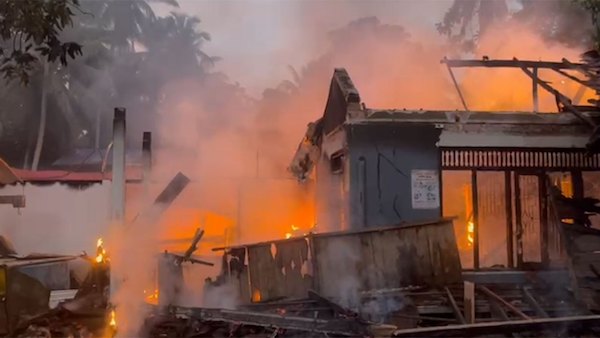
The horrifying tragedy at the Mawpiya Sevana care facility in Anguruwatota, Horana, is a dark and indelible stain on our national conscience. At least 13 vulnerable elders and psychiatric patients were burned to death or fatally injured when an uncontrollable blaze swept through the building. The image of citizens trapped in an inferno, unable to escape the very walls meant to protect them, should haunt our lawmakers.
However, we must be brutally honest: this was not a mere accident. It is the predictable, catastrophic endpoint of a profoundly broken system. For years, privately run care homes have operated as unregulated dumping grounds for senior citizens and individuals suffering from severe cognitive, neurological, or behavioral disorders. Functioning completely in the shadows, these institutions exist stripped of independent, regular medical supervision.
The Horana inferno is the alarm bell of a systemic collapse we can no longer afford to ignore.
The Tip of the Iceberg and the Shadow Network
It is critical for the public and the state to understand that the Horana tragedy is not an isolated incident of bad luck; it is merely the visible tip of a massive, submerged iceberg. Across the island, an expansive network of similar institutions operates entirely off the grid.
These shadow facilities thrive by profiting off the desperation of families who have been utterly abandoned by the state’s lack of social safety nets. Hidden away from the view of regulatory bodies, law enforcement, and the public, they function as lawless islands.
Furthermore, Sri Lanka is currently standing on the precipice of a severe demographic crisis. We are experiencing a rapid “silver tsunami.” Our population is aging at one of the fastest rates in South Asia, with estimates indicating that by 2030, over one in five Sri Lankans will be over the age of 60. Without immediate, aggressive, and structural government intervention, the demand for eldercare will skyrocket. If the state fails to act now, it will effectively force more vulnerable citizens into these shadow institutions, escalating this crisis into an unprecedented national humanitarian catastrophe.
The Hidden Reality: Warehousing, Neglect, and Ant Infestations
As public health professionals, we have long witnessed the quiet, systemic rot inside many of these unregistered or poorly monitored facilities. Behind closed doors, away from the sanitized narratives presented to occasional donors, elders are subjected to subhuman living conditions.
It is an open secret within the medical community that some homes are so severely neglected that basic hygiene is non-existent. In the most harrowing cases, bedridden, immobile residents are left unchanged and unwashed for days, suffering from extensive ant and insect infestations on their open bedsores and bodies.
This institutional cruelty happens because these facilities are allowed to operate purely as lucrative businesses or informal, unaccountable charities. They remain completely insulated from regular, unannounced inspections by independent medical practitioners or state regulatory authorities. They are warehouses for the living, designed to hide the elderly away until they die.
The Illusion of Custody: The Illegality of Chaining and Detention
There is a dangerous, widespread misconception among the Sri Lankan public and institutional operators that individuals displaying aggressive, wandering, or difficult behavioral problems can be indefinitely locked away, detained, or physically chained “for their own safety.”
Let it be unequivocally clear: this is a severe criminal offense.
1. No Legal Authority for Private Citizens
No private citizen, family member, or care home director possesses the legal right to strip an individual of their physical liberty. Under the Penal Code of Sri Lanka, chaining, tying up, or locking a person in a room constitutes:
* Wrongful Restraint (Section 330)
* Wrongful Confinement (Section 331)
2. The Mental Health Exception
Even during acute psychiatric crises, legal detention can only occur for brief, strictly defined periods under direct medical oversight. This is specifically mandated by qualified psychiatrists within registered psychiatric facilities or specialized hospital units—never by laymen or untrained staff in a private home.
When untrained care homes informally “detain” individuals with dementia or mental illnesses, it inevitably leads to tragedies like Horana. When the fire erupted in Anguruwatota, those trapped, locked away, or unable to move due to informal physical restraint stood zero chance of survival. They were effectively handed a death sentence by their captors.
Urgently Needed: A New Regulatory and Protocol Framework
The current system relies on passive, archaic, and toothless legislation like the Protection of the Rights of Elders Act, No. 9 of 2000. While well-intentioned for its time, this Act completely lacks the teeth, enforcement mechanisms, and specialized clinical focus required to prevent these horrors.
With the demographic silver tsunami already upon us, the government must step in immediately to implement a radical, two-pronged structural overhaul:
1. Statutory Legislation for Independent Medical Audits
We need an immediate legislative amendment mandating regular, unannounced, and legally binding inspections of all elders’ homes by independent, medically qualified professional bodies (such as the Ministry of Health and college specialists). These inspectors must have the statutory power to evaluate:
* Clinical and psychiatric care standards.
* Sanitation, nutrition, and hydration.
* Fire safety protocols and emergency evacuation plans.
* The physical and mental state of residents.
Crucially, these bodies must possess the immediate legal authority to suspend operations, seal facilities, and arrest operators upon finding violations.
2. A National Protocol for Managing Severe Behavioral Problems
When families can no longer safely care for an individual suffering from advanced Alzheimer’s, dementia, or severe behavioral disturbances at home, they face a void. Sri Lanka urgently needs a formal, state-regulated medical protocol and specialized clinical pathways.
We must establish state-supervised, medically staffed psychogeriatric step-down units across every district. In these units, acute behavioral symptoms can be managed therapeutically and humanely by trained professionals, rather than criminally through chains and padlocks.
Conclusion: A Call to Action
The horrific scene at Horana did not materialize overnight; it is the grim distillation of years of institutional silence, bureaucratic apathy, and a systemic lack of advocacy for those who have lost their voices.
As our elderly population grows by the day, our collective moral failure grows with it. We can no longer look away. The state must intervene with legislative and clinical steel before the shadows of these unregulated institutions claim more innocent lives.
* Dr. Murali Vallipuranathan is a visiting lecturer at the Universities of Jaffna, Peradeniya, and Colombo, a Senior Specialist of the Ministry of Health, and a Council Member of the Sri Lanka Medical Association. The views expressed are offered with social responsibility to improve healthcare, human rights, and accountability in Sri Lanka and do not reflect official positions.
Lasantha Pethiyagoda / June 11, 2026
Living in Sri Lanka, this medical doctor seems unaware of how impractical it is to expect medical supervision of elder care centres. There already exists a legal framework that would, if properly implemented, restrict immoral, unethical or illegal practices. The implementation of most laws and regulations is the issue, not lack of more laws to fill books. Bribery and corruption play a huge role also. Most sectors of society are still significantly plagued by the frustration of poverty and thus the tendency to cheat, steal or accept bribes. If medical teams routinely make unannounced inspections of elder care facilities with law enforcement officers with legal capacity to record and punish offenders, their visits should be compulsorily videographed by bodycams with Realtime transmission to an unrelated external server. These are basic technologies that are in place in many countries.
/
Ajith / June 12, 2026
“Living in Sri Lanka, this medical doctor seems unaware of how impractical it is to expect medical supervision of elder care centres. “
I think the doctor is not aware of the impractical of it but it is also one of the problems faced in this for many decades. The rulers of the country including JVP/NPP was part of the problems because they focused on their power instead of the country and people. Even the people of the country knowing very well what the rulers were doing to bring this country to such a begging nation, they also part of it.
/
leelagemalli / June 11, 2026
The tragic fire at the elderly care home in Horana exposed serious shortcomings in the oversight and regulation of residential care facilities. Although the home was reportedly unregistered, it had provided shelter to elderly residents, people with disabilities, and individuals with mental and physical health conditions who might otherwise have had nowhere to go. Many families in difficult economic circumstances are unable to provide the level of care their loved ones require, making such institutions a last resort despite their limitations.
–
https://www.youtube.com/watch?v=nX8KqVE5AjM
–
In the aftermath of the disaster, regional authorities and politicians visited the site and criticized the management over inadequate facilities and reports that some mentally ill residents had been restrained in their rooms. While such concerns deserve scrutiny, it is also important to recognize the difficult realities faced by understaffed and underfunded care providers. The tragedy has highlighted a broader systemic issue: if authorities had conducted regular inspections and provided greater support and oversight, many of the deficiencies identified after the fire might have been addressed before lives were lost.
–
The incident also raises concerns about the growing number of care homes and charitable institutions operating with limited regulation. While there are many genuine organizations dedicated to caring for vulnerable people and animals, there are also cases where fundraising and profit motives may overshadow welfare.
/
leelagemalli / June 11, 2026
https://www.youtube.com/watch?v=FXmdBU18wgU&t=31s
/
leelagemalli / June 12, 2026
https://www.youtube.com/watch?v=CiSOf6ZH0RQ
/
leelagemalli / June 12, 2026
Readers,
The tragic fire at the home for mentally disabled residents in Horana has left the nation grieving and questioning its collective conscience. The loss of innocent lives, including a beloved young woman with Down syndrome who was cherished by many visitors, is heartbreaking beyond words.
–
Such a tragedy highlights the vulnerability of those who depend on society’s care and protection. Many believe that this disaster could have been prevented had greater attention been given to the safety, welfare, and living conditions of institutions caring for persons with disabilities. The incident serves as a painful reminder that compassion must be demonstrated through action, not merely expressed in words.
This tragedy also raises broader concerns about social responsibility and the role of public authorities. Despite frequent promises of care and service to the people, facilities of this nature often remain overlooked until disaster strikes. Across the country, many now mourn lives that deserved greater protection, dignity, and support while they were still among us. As Sri Lanka reflects on this heartbreaking event, it is essential that lessons are learned and meaningful reforms are implemented to ensure the safety and well-being of vulnerable communities. The greatest tribute to those who were lost would be a renewed commitment to kindness, accountability, and the prevention of such a tragedy from ever occurring again.
/