

By Sarath Dissanayake –

Sarath Dissanayake
The South Asian and Sri Lankan Context
The El Niño-Southern Oscillation (ENSO) cycle is no longer a distant meteorological phenomenon; it poses an immediate and existential threat to the socio-economic fabric of South Asia. As global climate patterns destabilize, the alternating phases of El Niño and La Niña inflict severe, asymmetrical shocks across the Indian subcontinent. For an island nation like Sri Lanka, positioned at the heart of these shifting weather fronts, the consequences are exceptionally acute. The country’s agrarian economy, historically synchronized with predictable monsoon cycles, now faces an unprecedented era of climate volatility that threatens to dismantle traditional farming systems and plunge rural populations into widespread economic crisis.
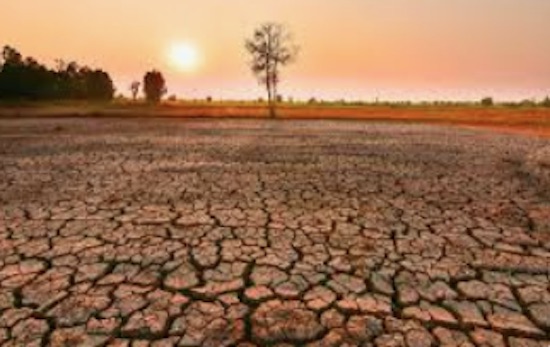
The geographic vulnerability of Sri Lanka magnifies these global anomalies into localized emergencies. During El Niño phases, severe drought and prolonged dry spells parch the vital agricultural zones, drying up ancient irrigation reservoirs, depleting the vital water table, and escalating the risks of forest and grassland fires. Conversely, the transition into La Niña frequently unleashes torrential, unseasonal rainfall, triggering localized flooding caused by unusually heavy rainfall, catastrophic landslides, and destructive siltation of low-lying agricultural fields. These rapid shifts between extreme moisture deficits and sudden deluge leave no room for natural recovery, pushing ecosystems, infrastructure, and rural communities to their absolute breaking points.
The Essence of Climatic Predictions and Advance Warning
In this new reality of heightened weather unpredictability, traditional farming intuition is no longer sufficient. Accurate weather forecasting and long-term climatic predictions are the primary shields against impending hazardous and catastrophic weather systems. Advancements in satellite meteorology and predictive modeling must be leveraged to provide downscaled, localized forecasts that offer months—rather than days—of advance warning. Understanding the long-term consequences of these adverse weather patterns allows stakeholders to move from a state of constant panic to one of calculated preparation, minimizing the chaos that typically follows sudden climate disruptions.
The strategic essence of early warnings lies in their dissemination and actionable value. It is a fundamental government responsibility to ensure that complex meteorological data is translated into simple, accessible, and timely advisories for the public. When a catastrophic scenario is predicted, a lack of clear communication from state authorities constitutes a systemic failure. The state must bridge the gap between scientific institutions and the field, ensuring that the writing on the wall is clearly visible to every administrator, irrigation engineer, and rural farmer across the island.
Lessons from the 2026 Nepal-Tibet Hydrological Deluge and 2025 Cyclone Ditwah
Sri Lanka must look to recent regional disasters to comprehend the terrifying scale of modern atmospheric risks, drawing sobering lessons from both the 2026 Nepal-Tibet Hydrological Deluge and the catastrophic 2025 Cyclone Ditwah. While the Nepal-Tibet disaster proved that conventional flood defenses are entirely obsolete against inland cloudbursts and atmospheric rivers, 2025 Cyclone Ditwah exposed the profound vulnerability of our coastal zones to rapid-onset oceanic systems. Ditwah demonstrated that erratic, hyper-intense tropical cyclones can overwhelm legacy coastal infrastructure in a matter of hours, turning predictable seasonal shifts into multi-hazard emergencies that combine fierce marine storm surges with concurrent inland flooding.
Crucially, the devastation wrought by 2025 Cyclone Ditwah was not confined to coastal areas; it forcefully penetrated the up-country and mountainous regions, triggering massive landslides and devastating earth slips that caused heavy loss of lives. Vulnerable rural communities suffered immense losses as houses, livelihood assets, standing crops, and critical transport links—including key railway lines, bridges, and roads—were completely decimated, isolating entire sectors. This proves that modern cyclones pose a total systemic threat from coast to highland; defensive complacency is fatal, and Sri Lanka must immediately transition to dynamic, automated evacuation triggers and real-time slope-stability modeling before the next outer bands strike.
Strategic Plan of Action and Multilevel Stakeholder Coordination
A crisis of this magnitude cannot be solved through isolated efforts; it demands a comprehensive Strategic Plan of Action. This plan must forge a seamless coordination mechanism connecting stakeholders at the national, regional, and peripheral ground levels. National strategies must flow efficiently into provincial administrative structures, which in turn must directly support village-level agrarian communities. By aligning macro-level policy with micro-level execution, the state can deploy resources rapidly, harmonize local response strategies, and ensure that no vulnerable region is left isolated during a climate emergency.
The framework must systematically encompass disaster preparedness, targeted mitigation, and robust recovery programs. Preparedness involves the pre-positioning of emergency resources and defensive infrastructure. Mitigation demands active interventions to lessen the immediate impact of droughts or floods on human life and property. Finally, recovery programs must be designed to build back better, offering financial safety nets and technical assistance that prevent affected populations from falling into permanent poverty cycles following a severe ENSO event.
Global Synergy and Engagement of Multilateral Development Partners
In an era where localized climate disruptions are fundamentally driven by global atmospheric anomalies, Sri Lanka cannot afford to confront these compounding crises in isolation. Addressing the sheer scale of modern meteorological hazards demands the active, systematic involvement of international stakeholders, multilateral development partners, and global climate agencies. By aligning national mitigation strategies with international frameworks, Sri Lanka will be able to secure vital technology transfers; such as advanced satellite imagery, and predictive modeling systems while unlocking concessional climate finances and emergency risk-transfer mechanisms. Ultimately, domestic readiness must be reinforced by globalized collaboration; forging these strategic international partnerships is a critical necessity to fortify the nation against disasters transcending traditional borders.
Formation of the National High-Powered Climate Task Force
To drive this Strategic Plan of Action, the government must immediately appoint a permanent, High-Powered Climate Task Force at the national level. Armed with executive authority, this centralized body will bypass bureaucratic bottlenecks to manage resource allocation and policy enforcement during crisis periods. Operating directly under this central task force, specialized sub-committees must be established to oversee five critical, interlinked domains:
Food Security, Buffer Stocks, and Supply Chains: Mandated to maintain strategic food reserves, minimize post-harvest losses, protect supply corridors, and regulate market distribution to prevent hoarding and price gouging.
Water Management, Conservation, and Irrigation: Responsible for the seasonal allocation of major reservoirs, structural maintenance of canals, enforcement of water-saving protocols, monitoring the agricultural water table, and executing emergency logistical grids to ensure the continuous supply of safe drinking water to drought-ravaged settlements.
Crop Management and Agronomic Innovation: Tasked with the rapid multiplication and distribution of high-yielding, drought-resistant seed varieties, alternative cropping calendars, and climate-smart field practices.
Disaster Preparedness, Ground Mobilization, and Livestock Welfare: Tasked with preparing for life-threatening scenarios in high-impact ecological zones by establishing a vertical chain of command from the national task force down to District and Divisional Secretaries to execute emergency evacuations, manage shelters, and deploy critical feed, veterinary care, and safety corridors for vulnerable rural folks and their livestock at risk.
Peripheral Marketing, Supply Chains, and Rural Well-being: Directed at sustaining the rural cash economy, guaranteeing fair floor prices for climate-impacted yields, and deploying mobile healthcare units, heat-relief centers, and clinical safety nets directly to smallholder farming families suffering from heatwaves and heat-related illnesses.
Agronomic Realities, Ecosystem Risks, and Dry Zone Adaptation Practices
A rigorous agronomic evaluation reveals that ENSO cycles inflict deep, structural scars on Sri Lanka’s critical ecosystems and agricultural productivity, creating acute water shortages affecting households, agriculture, and industry alike. During prolonged El Niño droughts, the rapid drop in the water table triggers severe soil desiccation, extreme soil temperatures, and the destruction of vital microbiological life. This environmental stress drastically reduces crop yields, compromises harvesting efficiency, and fundamentally disrupts food production cycles. The resulting systemic shocks directly threaten national food security, risking the permanent transformation of once-fertile farming districts into unsustainable, semi-arid wastes.
A large number of destitute rural farmers from the northern, central, and eastern parts of the country, who are already reeling from severe drought spells, have already borne the brunt of El Niño; they are facing increasingly hazardous conditions—such as dried-up wells, rivers, major irrigation tanks, and groundwater—leaving both people and livestock at the absolute mercy of impending monsoonal rains. On the ground, the heaviest burden is borne by vulnerable smallholders facing immediate crop failures, reduced agricultural production, increased food insecurity, evaporating incomes, mounting debt, and intense heatwaves accompanied by heat-related illness. Safeguarding these communities requires an immediate shift from water-intensive monoculture toward diversified, climate-resilient practices through a practical Dry Zone Farmer’s Adaptation Playbook. This localized strategy delivers direct, actionable techniques to the field by prioritizing the revival of ancient micro-tank cascades to naturally buffer local water tables, alongside the widespread adoption of drip irrigation, rainwater harvesting, and traditional, climate-hardy crop varieties to mitigate severe climate-driven predicaments.
Multi-Sectoral Agency Structural Framework and Coordination Mechanism
Piecemeal directives are wholly inadequate for managing systemic risks; Sri Lanka requires an integrated policy framework establishing a unified operational playbook. This legislative architecture bridges macro-level governance with specialized implementation, standardizing standard operating procedures during declared environmental emergencies. Under this blueprint, the policy framework unifies our Supreme Multi-Sectoral Councils—the National Council for Disaster Management (NCDM) and the National Disaster Management Coordination Committee (NDMCC)—to direct nationwide risk strategies, while legally binding and harmonizing the operations of our Key Line Ministries:
Ministry of Defense / Ministry of Disaster Management: Enforces emergency protection, safety security measures, and national mobilization grids, deployment tri-forces personnel on rescue, relief,rehab and reconstruction tasks)
Ministry of Environment: Monitors ecosystem stress, evaluates biodiversity thresholds, and guides broad sustainability policies.
Ministry of Agriculture, Livestock, Land and Irrigation: Adapts cropping calendars, regulates agricultural zoning, and optimizes regional reservoir distributions.
Ministry of Housing, Construction and Water Supply: Hardens rural infrastructure against climatic failure, deploys mobile water-purification assets, and coordinates regional distribution networks to strictly ensure the supply of safe drinking water to high-impact ecological zones.
Ministry of Energy: Manages the critical balance between hydropower reserves and thermal power generation grids during deep droughts.
To eliminate overlapping jurisdictions and institutional inertia, these macro-level mandates directly govern our Specialized State Agencies & Departments. These core operational bodies must execute field actions under strict, interconnected parameters:
Department of Meteorology (Met Dept): Transitions to high-resolution predictive systems, prioritizing seasonal ENSO modeling and downscaled agro-meteorological advisories.
Disaster Management Centre (DMC): Executes proactive regional risk mapping, coordinates localized evacuation routes, and operates multi-channel early warning networks.
National Disaster Relief Services Centre (NDRSC): Directs fast-track emergency funding, emergency medical safety nets for climate-induced illnesses, post-disaster livelihood cash transfers, and temporary shelter logistics.
National Building Research Organization (NBRO): Conducts real-time landslide risk analysis, slope-stabilization monitoring, and critical hill-country hazard clearances.
Department of Irrigation: Co-manages river hydrology, protects vital water catchments, and regulates reservoir sluice gates based strictly on predictive data.
Climate Change Secretariat (CCS): Coordinates international adaptation funding networks, mainstreaming national carbon-offset strategies, and reporting overall climate resilience benchmarks.
The Writing on the Wall: Key Takeaways
The stark writing on our regional climate horizon is clear: Sri Lanka can neither afford nor survive another unmitigated disaster under the volatile pendulum of El Niño and La Niña. We must act decisively to prevent a national catastrophe modeled on recent atmospheric anomalies before environmental volatility strikes our communities unawares. Instantly mobilizing every institutional asset, policy shift, and community intervention is an absolute national obligation to protect human lives, critical infrastructure, and socio-economic stability, for an ounce of prevention is worth a pound of cure.
In essence, managing the compounding ENSO cycle impacts requires Sri Lanka to abandon its legacy of ad-hoc crisis response in favor of an institutionalized, predictive framework. The primary takeaway from this strategic blueprint is that climate resilience is achieved through synchronization, not isolation; survival depends on a legally binding chain of command linking national line ministries to the local ground level. By formalizing the National High-Powered Climate Task Force, establishing the National Climate Action Command, and equipping regional administrators with automated, data-driven evacuation triggers, the state can decisively mitigate life-threatening predicaments. Ultimately, the choice before the nation is structural adaptation or systemic collapse, and implementing these multi-sectoral reforms is a matter of immediate national survival—a definitive commitment to Resilience through Readiness.
*The writer is a retired Ambassador and Foreign Ministry Spokesman; formerly an agronomist who served in the SLAS, Merchant Bank of Sri Lanka (MBSL), ARTI, JEDB. He can be reached at schandrad@hotmail.com
leelagemalli / September 3, 2026
1
Sarath,
I believe that, given the dangers and possible aftereffects of El Niño for our island nation, people should be much better informed about the risks ahead. Had the authorities taken the warnings surrounding Cyclone Ditwah more seriously, which displaced thousands of Sri Lankans across the country, many people might have been better able to protect their lives and livelihoods. Future analyses may reveal the extent to which indifference or inadequate preparedness on the part of the authorities and the state contributed to the losses, despite the government reportedly receiving warnings from both local and foreign, including Indian, authorities before the disaster. My concern today is that the current government appears, in many respects, stubborn and insufficiently responsive to the genuine grievances of the people. Many citizens, particularly those living in rural areas, continue to complain about a lack of empathy and preparedness, while the possibility of another major disaster remains a serious concern.
Tbc,
/
Sarath / September 3, 2026
LM, Thank you for your thoughtful and candid analysis of the situ at hand. You have raised vital points regarding the state’s responsibilities and the critical gaps in our weather predictions / warnings / alerts to those on the ground level, disaster preparedness, disaster management and protection of agriculture, livelihood of people and infrastructure.Your reflection on the devastating impact of the 2025 Cyclone Ditwah is a stark reminder of what is at stake. It underscores the urgency with which preparedness, advance warning system and top-down disaster readiness to meet any eventuality unlike 2025 Cyclone Ditwah. The displacement of thousands of Sri Lankans could have been significantly mitigated had early warnings from local and international authorities been translated into swift, empathetic action. Your concern for our rural communities is entirely justified. For an ENSO framework to truly succeed, it cannot exist merely on paper; it must be responsive to the lived realities of the people it aims to protect. True climate resilience requires accountability, active listening, and a state apparatus that treats foresight not as an option, but as an absolute necessity. Thank you again for engaging so deeply with this proposed framework.
/
Sarath / September 3, 2026
LM, Given that parallels have been drawn between 2025 Cyclone Ditwah and ENSO (El Niño and La Niña) in your comments, I have provided the link below to my article titled “Let Us Rise Together With Resilience, Courage & Determination” of 13th December 2025 for your easy reference.(https://www.colombotelegraph.com/index.php/let-us-rise-together-with-resilience-courage-determination/)
Hope this helps
/
leelagemalli / September 3, 2026
cont.
2
Looking at how Nepal has recently faced severe weather-related challenges, Sri Lanka, as an island nation, should be even more alert to the risks posed by extreme weather. Yet the measures being taken by the government are still not clear or convincing enough to ease these concerns.
I strongly believe that professors, meteorologists, and university experts should come forward and educate the public about every possible scenario through television, newspapers, social media, and other available channels. People need to know how to respond if the country faces a severe drought, a catastrophic flood, or any other unprecedented disaster, and what practical steps they should take to protect their lives and livelihoods. Unfortunately, the government often appears more focused on strengthening its political machinery than on adequately preparing the country for potential catastrophes.
Tbc
/
leelagemalli / September 3, 2026
cont.
3
In my view, the government still lacks sufficient experience and expertise in several critical areas, and this is reflected in the way some of its representatives communicate and respond to serious national concerns. Repeated failures should be a reason to listen more carefully to experts rather than dismiss their warnings. The opposition, too, has a responsibility to come forward constructively, raise public awareness, and urge the government to take these dangers seriously. I thank the writer for bringing this important issue to public attention. We should all remain vigilant and prepared to protect ourselves and our communities should the country face disasters of unprecedented scale.
/
Sarath / September 3, 2026
LM, Thank you once again for expanding on this critical dialogue and for bringing up the recent example of Nepal. The recent weather-related challenges faced by Nepal – Tibet serve as a powerful case study for Sri Lanka; they remind us that geographic and topographical vulnerabilities require proactive, rather than reactive, measures.
Your emphasis on a unified front among professors, meteorologists, and university experts is a timely call. True national readiness cannot rely solely on administrative policies. It requires a continuous, transparent flow of information from the scientific community directly to the public. Utilizing television, print, and social media to broadcast clear, timely and user-friendly early warning advisories and emergency action guides —so citizens know exactly how to safeguard their lives and livelihoods during sudden droughts or catastrophic floods—will be a top priority for building grassroots resilience.
A robust disaster framework must be built on a foundation of scientific expertise and a willingness to learn from past climate events. As you rightly noted, vigilance and community-level preparation are our strongest assets when facing disasters of an unprecedented scale. Thank you for your invaluable insights toward protecting our communities from disasters. Regards
/
leelagemalli / September 3, 2026
Sri Lanka Must Wake Up: Truth Cannot Become a Political Weapon
Sri Lanka is at a critical moment. Many citizens who once believed that genuine system change was possible are now asking difficult questions. That disappointment should not be answered with more slogans, more political theatre, or more convenient explanations. It should be answered with truth, evidence, competence, and accountability.
Political power must never become a licence to reshape reality for political advantage. When leaders repeatedly make claims without evidence, exaggerate achievements, hide failures, or use fear and anger to influence the public, the greatest damage is not only to one government—it is to the country’s democratic culture.
–
Tbc
/
leelagemalli / September 3, 2026
cont.
We must also stop turning our differences into weapons against one another. A person’s language, education, profession, social background, or ability to speak English does not determine whether that person is patriotic or intelligent. Sri Lanka belongs equally to the educated and the less educated, the rich and the poor, the Sinhala-speaking, Tamil-speaking and English-speaking citizen. We cannot build a better country by teaching people to hate one another.
The real question we should ask of every politician is simple: Where is the evidence? What was promised? What has actually been delivered? Who is accountable when things go wrong?
There will always be politicians who understand how to exploit public frustration, economic hardship, limited political knowledge, and people’s genuine hopes for a better future. That is why citizens must become more politically aware—not more politically loyal.
Tbc
/
leelagemalli / September 3, 2026
cont.
Do not believe something simply because it comes from the party you support. Question your own side even more strongly than you question the opposition. That is not betrayal. That is democracy.
Sri Lanka does not need another generation trained to repeat political narratives. It needs citizens brave enough to think independently, verify information, challenge falsehoods, and demand better from whoever holds power.
We wanted system change. Let us not allow that dream to become merely a change of political faces while the culture of manipulation remains the same.
A country cannot be rebuilt on lies—no matter who tells them.
Sri Lanka needs truth over propaganda, accountability over excuses, competence over slogans, and citizens over political tribes.
The awakening must begin with us.
/
SJ / September 3, 2026
The man has all the answers as always.
Why does not anyone take him seriously?
He will have an answer for that too,
/