


This note on Lal Wijenayake was written by the late Prof. Kumar David, upon my request a few years ago, for a speech I was writing for someone else. Lal passed away yesterday evening. We publish below the Kumar’s article in full ~ Uvindu Kurukulasuriya.
There are very few people in our country who have remained consistent leftists for sixty years and I would be surprised if more than three or four of them joined a left political party in their early twenties. In the old days becoming a full member of the Lanka Samasamaja Party a big thing and no more than a handful of those who participated in the 1964 Party Conference, which Samasamajists consider a landmark event, still remain active freedom fighters, socialists and Marxists. We are gathered together here today to felicitate one of their number on the occasion of the release of a book Prof Liyange Amarakeerthi has written.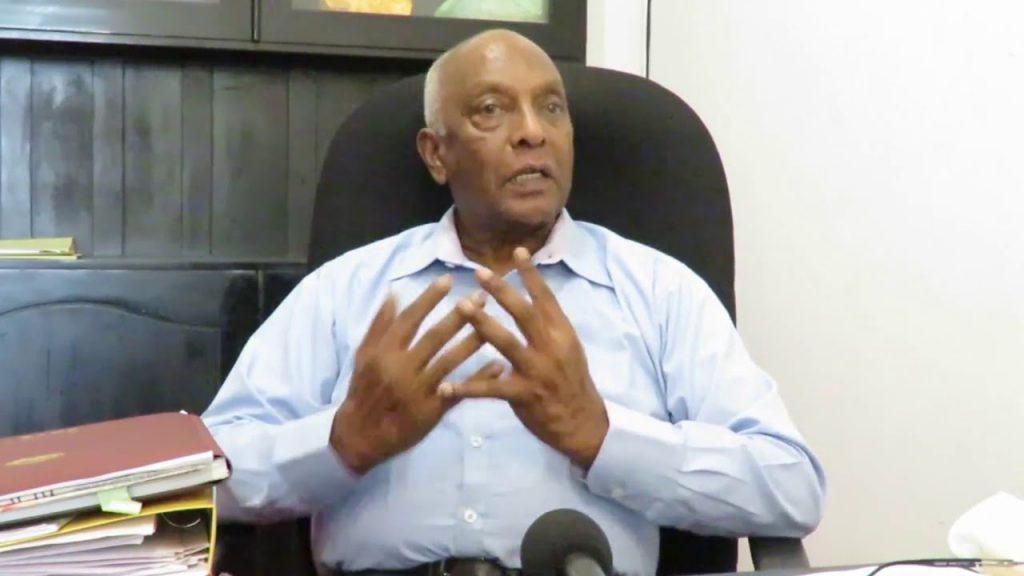
Comrade Lal Wijenayake is admired for many important contributions but I can select only a few for mention today. The first matter that comes to mind is his consistency as a leftist – activity, theory and engagement in party, trade union and mass movement building. Lal lived all the internal debates and conflicts that submerged the left during the tumultuous past half-century. It is not for me to adjudicate in these debates within and around the LSSP; I merely mention them by name. The anti-imperialist struggle and the fight to combat neo-liberalism, the fight to protect the national minorities, the post-1964 coalition strategy including NM’s budgets and Colvin’s constitution, the stand of the LSSP in respect of the 1971 JVP-led uprising and later the events of 1989 and the effort of the left movement to keep its head above water during JR’s neo-liberal repression, the civil war, and the splits, compromises and betrayals that engulfed the left movement in the Chandrika-Rajapaksa eras. Throughout this period Lal remained loyal to his political principles and a clear acceptance of Marxism as his loadstar.
Following from this was Lal’s service together with comrades in the trade unions and other left part to the working class of Sri Lanka. His connections with the Ceylon Federation of Labour and the Lanka Estate Workers Union, and his involvement in litigation on behalf of unions and workers are appreciated by the working class. Lal was not just a book-learned theoretician; he lived these commitments in his day to day work and life.
Another matter in respect of which Comrade Lal Wijenayake will always be remembered is the moral and political correctness of his stand on the national question and in particular the defence of the human and democratic rights of the Tamil people. On the darkest nights when those leftists, who like Lenin, stood for the rights of the nation’s minorities were hunted and threatened, not only politically but even physically, by various forces including the forces of the state, Lal did not blink or retreat. In this tradition Lal now extends his support to the Islamic people of Sri Lanka by standing against attempts by the state, Sinhala chauvinists, monks and retired militarists to violate their rights and freedoms. In the dark days when communalism swept Sinhala politics, Lal and the organisations he belonged to did not capitulate and in the even darker days of civil, while firmly rejecting LTTE terrorism, Lal did not fear to stand against and condemn state-terrorist atrocities inflicted by the military on the Tamil people. This is the reason Lal can go among Tamils and the Muslims with his held high, and as a fighter for worker’s rights and socialism he can with equal confidence go into any workplace or deep into any Sinhala village.
It would not be honest if I were to pretend that Lal did not have differences with our movement or that he did not criticise some of our policies during the 50 years since the early 1970s. Time however has brought our ideas and our political movements closer together. Today we work together in a common front called National People’s Power with the common final objective of socialism and the immediate objectives of not sacrificing national interests to any foreign power, protecting democratic rights of all our people from authoritarian or military threats, standing up for workers, peasants and oppressed peoples, and not conceding one inch to chauvinist forces in respect of the rights of Tamil, Muslim or Catholic national minorities.