

By Padma Bandaranayake –

Dr. Padma Bandaranayake
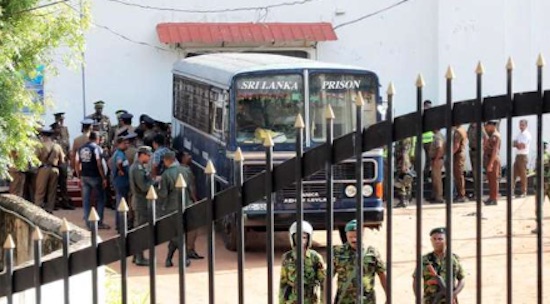
In the aftermath of deadly Negombo Prison riot, many suggestions were put forward to address underlying issues and prevent similar riots occurring in Sri Lankan Prisons. In November 2012, a riot broke out at Welikada prison when search operation was carried out for illegal arms leaving 27 dead and 40 injured. Similar prison riots occurred at previous instances when tensions escalated at several prisons during spikes in COVID-19 cases in 2020-2021, exposing both inmates and staff to increased danger. A particularly tense situation at Anuradhapura prison in March 2020 resulted in two deaths and six injuries. Similarly, a demand for release due to the spread of COVID-19 led to a similar incident at Mahara prison in November 2020 leaving 11 prisoners dead and over 100 prisoners injured. All such incidents advocate for a significant change in prison reforms and rehabilitation approaches.
My PhD study completed in 2025 on “Effectiveness of Prison Rehabilitation Programmes on Recidivism of Adult Prisoners in Sri Lanka” under the supervision of Professor Chair in Sociology Premakumara de Silva revealed serious challenges faced by prison authorities in the rehabilitation of prisoners in Sri Lankan prisons. The study began in 2019 covering all four closed prisons in Sri Lanka: Welikada, Mahara, Bogambara (Kandy) and Angunakolapelessa, having in-depth interviews with recidivists, prison rehabilitation officers, counsellors, ex-prisoners and prison volunteers. Prisoners and ex-prisoners described their criminal life, life in prisons, and post-release experiences, and how such experiences relate to recidivism: the tendency for individuals to reoffend after serving a sentence. The study explores the complex dynamics surrounding prison rehabilitation programmes and their impact on recidivism among adult prisoners in Sri Lanka, despite the implementation of various rehabilitation programmes within prison establishments.
The rate of prison population is commonly measured by the number of prisoners per 100,000 population of the country. According to the World Prison Population List, the prison population rate in Sri Lanka was 144 per 100,000 persons in 2024. As Sri Lankan Prison Department Statistics stated, there were a total of 133,550 unconvicted prisoners and 47,783 convicted prisoners reported in 2024. As in many jurisdictions, prisoners are a vulnerable, marginalized, and disadvantaged community and most of them are illiterate and unemployed. To serve imprisonment, the Sri Lankan prison system comprises four closed prisons: Welikada, Mahara, Bogambara (Kandy), and Angunakolapelessa, eighteen remand prisons, ten work camps, two open prison camps, and two correctional centres for youthful offenders (juveniles). The recent deadly riot occurred at the Negombo remand prison that held a total of 7,578 prisoners including 6,948 male prisoners and 630 female prisoners in 2024.
Although the prison rehabilitation programmes comprise educational, vocational, psychological, and social interventions with the overarching goal of facilitating offender rehabilitation, these goals have not been achieved in reality, as evidenced by prison statistics.
In analysis of qualitative data, four major categories of issues are identified: Negative personal experiences, Perceived injustice, Deficiencies in rehabilitative interventions, and Adverse prison conditions. All these collectively contribute to the inclination to criminal life, highlighting the multifaceted nature of recidivism within the Sri Lankan context.
Negative Personal Experiences
This refers to individualized challenges and experiences of prisoners such as a history of trauma or abuse, and mental health struggles. Family disputes such as poor parenting, parental separation, marriage issues, and desertion by the family had contributed immensely to higher rates of recidivism. These priosoners have not received any visitation for the past 5 to 10 years, creating a significant barrier to their successful reintegration into society. Moreover, socio-economic disparities cause for repetitive imprisonment as individuals from marginalized or economically disadvantaged backgrounds are imprisoned not necessarily for serious crimes but due to their inability to pay fines or secure legal representation. These negative experiences not only contribute to their criminal behaviour but also continue to exert influence both inside and outside of prison. Furthermore, drug addiction and misconceptions of drug addiction represent another significant factor contributing to negative personal experiences, thereby adversely impacting the process of prisoner reintegration.
Additionally, an individual’s criminal social identity, which involves their sense of belonging to a criminal subculture or group, can significantly affect their inclination to commit crimes by associating with like-minded individuals or groups. Social identity plays a significant role in shaping an individual’s values, beliefs, and behaviours related to criminal activities. Some prisoners were badly affected by stigma. These negative experiences of prisoners often lead to a pervasive perceived injustice.
Perceived Injustice
Perceived injustice of prisoners refers to the perception of unfair treatment within the criminal justice system and in society at large. The study highlighted corruption within law enforcement institutions, particularly among prison officials and the police. The participants’ narratives pointed to corruption among certain legal officers. They expressed a profound lack of confidence in the fairness and impartiality of legal processes. Their accounts revealed perceptions of biased judicial decisions, acceptance of bribes, favoritism toward affluent defendants, and unequal application of rules and punishments. In addition, excessive delays in the litigation process, attributed to malpractice and administrative inefficiency, were cited as reinforcing feelings of injustice and hopelessness.
Justice Yasantha Kodagoda attending as the Chief Guest of a research conference on criminology in 2024 revealed that case load at Magistrates Courts, High Courts, and Court of Appeal at the end of 2023 were 743,742, 26,542 and 282 respectively. Also, he stressed the delays in litigation process mentioning average time period (for cases heard by the High Court) from the receipt of the complaint to the completion of the High Court trial is 10 years and 2 months. This situation has resulted in the entire criminal justice system getting clogged and the system being inefficient.
The majority of prisoners believe their fundamental rights have been violated due to discrimination, biased procedures, arbitrariness, lack of transparency, and court delays and legal malpractices, which can exacerbate rather than mitigate criminal tendencies. A prisoner who feels consistently treated unfairly may lose motivation to engage in rehabilitation programmes, believing that efforts are futile within an unjust system.
Adverse Prison Conditions
This refers to difficult situations and challenges encountered in the prison environment during incarceration such as highly congested prisons, limited access to basic needs, education or rehabilitation programmes, health issues, and violence or conflicts with other inmates. It is apparent that harsh prison conditions may worsen the mental health struggles of prisoners with pre-existing mental health issues. Issues of overcrowding can worsen criminal tendencies rather than fostering positive change. Overall, the challenging experiences within the prison system play a significant role in shaping and reinforcing the inclination toward a criminal lifestyle.
Furthermore, prisoners complained of some hindrances of visitation. While visitation is crucial for maintaining family bonds and aiding in successful reintegration, numerous obstacles hinder this process. Unlike remand prisoners, convicted prisoners do not have daily visitation privileges; instead, they are typically allowed one visit per month from loved ones. Visitors are permitted to bring food and essential items, excluding illegal substances. A negative side of visitation, is the misuse of this opportunity by visitors who bring drugs into prisons. Some family members have been caught attempting to smuggle prohibited items, including drugs, during visitation.
The absence of a comprehensive database on incarcerated prisoners with details of their criminal history and participation in correctional programmes, inconsistent reporting mechanisms, and weak inter-agency coordination contribute to serious gaps in the documentation of criminal behaviour. The absence of adequately separated facilities for drug-dependent offenders, no separation of prisoners on severity of crimes they had committed and the scarcity of qualified counsellors to provide specialized therapeutic support further trigger the structural problems.
Deficiencies of Rehabilitation Programmes
It was revealed that the in-house rehabilitation programmes have many shortcomings that affected their effectiveness in reducing recidivism and successful reintegration. Ad-hoc nature of conducting programmes, ineffectual rehabilitation efforts, lack of resources including funding, shortage of rehabilitation officers, and lack of follow- up have become one of the main barriers while the high level of prison congestion has impacted negatively on the quality of prison rehabilitation programmes. Furthermore, the rehabilitation officers were complaining that they earn poor salaries and do not receive adequate training to carry out their duties. Prison counsellors admitted that no adequate counselling is happening and there are many obstacles such as lack of funding, and lack of facilities available at prisons. They are overwhelmed with work as there are no adequate staff to deal with the increasing number of prisoners.
However, some prisoners had the view that they got rid of boredom and loneliness by attending rehabilitation programmes, obtaining some life skills, and using the prison library. Even though there are a very small number of avid readers among prisoners, they all stressed that the prison library is the most comfortable area in the prison environment although it lacks adequate books and no seating facilities available.
Remedial Measures
The study proposed some recommendations that includes an introduction of a model for prison rehabilitation programmes, enabling effective planning and implementation of rehabilitation and correctional programmes. Comprehensive and multifaceted institutional reforms are urgently needed in the Sri Lankan Prison Department to address critical issues such as overcrowding, human rights violations, severe shortage of prison staff, and inadequate infrastructure. The reforms proposed by the Centre for Policy Alternatives in 2020, stressed a combination of legislative, policy, regulatory, and administrative changes to establish a more robust and efficient institutional framework. These reforms suggested for amending the Prisons Ordinance, Prison Rules and Prison Departmental Standing Orders to meet contemporary international standards, formalizing administrative procedures, and implementing national sentencing and correctional rehabilitation policies that ensure consistency, fairness, and tailored guidelines for different prisoner categories. Adequate budgetary allocations are crucial to improve prison infrastructure and facilities. Furthermore, the Human Rights Commission of Sri Lanka proposed updating prison rules to uphold human rights, establishing transparent grievance mechanisms, ensuring legal aid for needy prisoners, and implementing community-based correctional programmes.
Improving the efficacy of crime prevention strategies, strengthening existing mechanisms being adopted by the Police to prevent civil disputes giving rise to or evolving into crime, enhancing victim-offender mediation, allowing the Police to impose spot fines, introducing post-release support systems are some other measures that can be applied. As there is an imminent danger of similar incidents occurring, understanding the unique challenges faced by prisoners and prison authorities is essential to address these challenges.
Nathan / July 17, 2026
I am in total agreement of this comprehensive analysis, save for, ‘allowing the Police to impose spot fines’. Knowing our Police, I would avoid it.
/
leelagemalli / July 18, 2026
Sri Lanka’s prisons were severely overcrowded long before President Anura Kumara Dissanayake (AKD) and the NPP government came to power. Reports over many years have highlighted that even the most basic facilities and living conditions for inmates fall well below acceptable standards. Some have even drawn comparisons with the harsh prison conditions seen in countries such as El Salvador, although the contexts are different.
–
Despite inheriting this long-standing crisis, the NPP government has reportedly made a significant number of arrests during its first 18 months in office, placing additional pressure on an already overstretched prison system. While in opposition, AKD, Prime Minister Dr. Harini Amarasuriya, and Minister Vijitha Herath repeatedly argued that previous governments had failed to deliver meaningful reforms and that the country had become trapped in political inaction. Yet, after 18 months in government, there have been no major prison reforms, no significant legislative changes, and no visible improvements in prison conditions.
–
This highlights a broader reality of governance: campaigning on reform is far easier than delivering it. The challenges of governing are often far more complex than opposition rhetoric suggests.
–
The experience of the NPP government serves as another reminder that pragmatic governance in South Asia demands more than promises—it requires concrete policies, institutional reforms, and measurable results.
/